Aluminum Wire Coating is a vital process in various industries, enhancing the performance and durability of aluminum wires. According to a report by the International Wire and Cable Trade Association, the demand for Aluminum Wire Coating has grown by 15% annually over the past five years. This growth highlights the importance of quality coatings in ensuring wire longevity and efficiency in electrical applications.
Expert David Turner, a leading materials scientist, emphasizes, "The right coating can protect aluminum wire from environmental factors, significantly extending its lifespan." His insights reflect a growing recognition of the need for advanced coatings. However, not all coatings benefit the users equally. Some coatings perform poorly under harsh conditions, indicating the need for more thorough evaluations by manufacturers and designers.
As global buyers explore options, understanding the advantages of Aluminum Wire Coating is crucial. Whether for construction, automotive, or renewable energy sectors, coating quality can impact overall performance. Uncovering the top benefits of these coatings will guide buyers towards informed choices and investments in their projects.
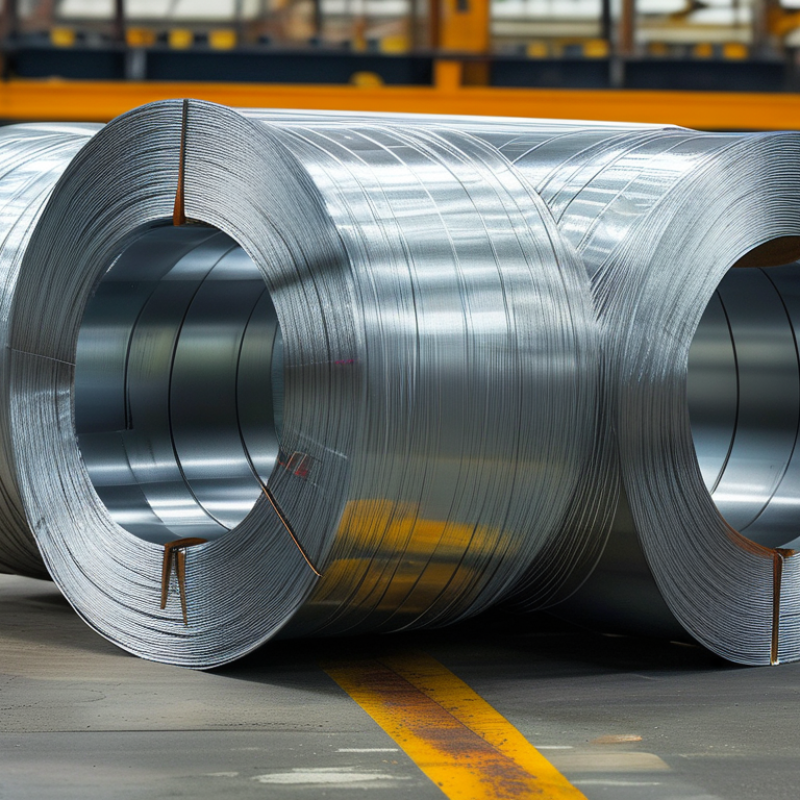
Aluminum wire coating plays a crucial role in electrical applications. One major advantage is its exceptional conductivity. Aluminum conducts electricity well, making it a preferred choice for various electrical components. This feature helps to reduce energy loss significantly. Moreover, aluminum is lightweight, which is beneficial for both transportation and installation. This can lead to reduced operational costs in various projects.
In addition to conductivity, aluminum coatings provide excellent corrosion resistance. They help maintain the integrity of electrical components over time. This is particularly important in harsh environments where moisture and chemicals are prevalent. By using coated aluminum wires, manufacturers can ensure longevity and reliability in their products.
Maintaining aluminum wires requires attention. Regular inspections can identify wear and tear early. Ensure connections are tight to prevent overheating. Coatings also need to be evaluated periodically for any signs of degradation. Implementing these practices will enhance the reliability of electrical applications.
Aluminum wire coating has gained significant traction among global buyers due to its cost-effectiveness. This process enhances the lifespan of aluminum wires, reducing replacement frequency and associated costs. For buyers operating on tight budgets, this means less expenditure on both materials and labor. They can reap long-term savings, which is crucial in competitive markets.
Moreover, the application of aluminum wire coating can improve conductivity and resistance to corrosion. This efficiency leads to lower energy consumption, directly impacting operational costs. However, some buyers may need to consider the initial investment. While coating may seem costly upfront, the reduction in maintenance and replacement can validate that choice. This aspect often requires careful analysis and reflection.
Buyers should also evaluate the environmental impact. Coated aluminum wires typically have a smaller carbon footprint compared to alternatives. However, awareness of the entire lifecycle is needed. Balancing cost with long-term sustainability is vital in today's market. Reflection on such factors can influence smarter purchasing decisions for buyers.
Coated aluminum wires are increasingly recognized for their enhanced durability and resistance. This has become essential for various industries. According to a recent Market Research report, the global demand for coated aluminum wire is projected to grow at a rate of 5.2% annually. This highlights the urgency for manufacturers to adopt coated solutions. Coated aluminum demonstrates superior resistance to corrosion compared to uncoated alternatives. This ability to withstand harsh environments makes it a popular choice for outdoor applications.
The coating not only prevents oxidation but also reinforces the wire's mechanical strength. Many studies indicate that coated wires can last up to 30% longer than bare aluminum in critical conditions. This longevity translates into reduced maintenance and replacement costs. However, the process of coating can introduce variability in performance. Manufacturers must ensure consistent application techniques to maximize benefits.
While the advantages are clear, not all coatings are equal. Some homeowners and businesses may overlook the importance of selecting the right type of coating. Specific applications may require different coatings based on environmental exposure. Understanding these nuances is crucial for making informed choices. A poorly chosen coating can negate the expected benefits. The industry is still evolving, presenting opportunities for further research.
Aluminum wire coating offers various environmental benefits that appeal to global buyers. This coating can significantly reduce the risk of corrosion, extending the lifespan of wire products. As a result, fewer replacements are needed, which helps diminish waste over time. Moreover, aluminum is lightweight, which leads to lower energy consumption during transportation. This quality not only reduces carbon emissions but also lowers shipping costs.
Another significant advantage is the recyclable nature of aluminum. Buyers can opt for coated aluminum wire, knowing that they are supporting a sustainable product lifecycle. Recycling aluminum requires only a fraction of the energy used to create new aluminum from ore. This shift contributes to resource conservation and a lower carbon footprint.
To enhance the benefits of aluminum wire coating, consider these practices. Look for suppliers who prioritize eco-friendly processes. Ask about the recycling capabilities of the materials used. Additionally, educate your team on proper disposal methods to ensure the aluminum coatings are recycled effectively. Understanding these aspects can empower buyers to make informed decisions that align with sustainability goals.
Aluminum wire coating is gaining popularity among buyers looking for durability and efficiency. When compared to other coatings, it offers distinctive advantages. For instance, aluminum coatings provide exceptional corrosion resistance, which is crucial for outdoor applications. They effectively protect wires from moisture, enhancing their lifespan. Additionally, aluminum’s light weight reduces transportation costs, making it an attractive option for global buyers.
In contrast, other coatings like PVC and rubber can lack the same durability. While they may offer basic protection, they often degrade faster in harsh environments. Some may argue about the initial cost of aluminum coatings, but the long-term benefits outweigh this factor. With less need for replacements, buyers save money over time. However, the application process for aluminum coatings can be more complex, which may lead to challenges in production.
Understanding these differences is essential. Buyers must assess their specific needs and environmental conditions. Not every application requires aluminum coatings, which may lead to over-engineering in some cases. It's vital to find a balance between cost and performance to ensure efficient use of resources.
: Aluminum wire coating enhances conductivity, reducing energy loss effectively in electrical applications.
The lightweight nature of aluminum facilitates easier transportation and installation, lowering overall operational costs.
Coated aluminum provides excellent corrosion resistance, maintaining the integrity of electrical components in harsh environments.
Regular inspections and tight connections are essential to avoid overheating and ensure optimal performance.
Coated aluminum wires show improved durability, lasting up to 30% longer than uncoated ones in critical conditions.
Selecting the appropriate coating is vital, as the wrong choice can undermine the wire's performance and benefits.
Variability in coating application can affect performance consistency, requiring careful quality control.
Yes, coatings reinforce the mechanical strength, contributing to better performance in demanding environments.
The global demand for coated aluminum wire is projected to grow at 5.2% annually, indicating increasing industry needs.
No, the effectiveness of aluminum wire coatings varies, and it's important to choose wisely based on specific environmental needs.
Aluminum Wire Coating offers numerous benefits for global buyers, particularly in electrical applications. One of the primary advantages is its cost-effectiveness, as coated aluminum wires provide a more affordable option without compromising performance. Additionally, the enhanced durability and resistance of these wires ensure they can withstand harsh conditions, leading to longer service life and reduced maintenance costs.
Furthermore, Aluminum Wire Coating contributes positively to environmental sustainability by reducing energy consumption and waste during production. A comparative analysis with other coatings reveals that aluminum wire coating stands out in terms of performance and cost, making it a preferred choice for many industries. Overall, the benefits of Aluminum Wire Coating make it an attractive option for buyers looking to optimize their operations while maintaining high standards of quality and sustainability.
