
Best Electromagnetic Wire for Efficient Procurement Options?

Time:2026-08-16 Author:Madeline
0%

When selecting the best electromagnetic wire, decisions can significantly impact efficiency and procurement. Electromagnetic wire is essential for various applications, from consumer electronics to industrial devices. Understanding different types and their specific properties is crucial for making an informed choice.

Experts emphasize the importance of considering the wire’s conductivity and insulation. These factors directly influence performance in many settings. It’s also vital to evaluate suppliers based on their reliability and service quality. The market offers numerous options, but not all of them meet industry standards.

Choosing the right electromagnetic wire is not an easy task. Often, users overlook critical specifications, leading to inefficiencies. Analyzing potential procurement options is necessary for optimal results. Being aware of common pitfalls can help refine decision-making processes. This reinforces the need for thorough research and understanding in the selection process.
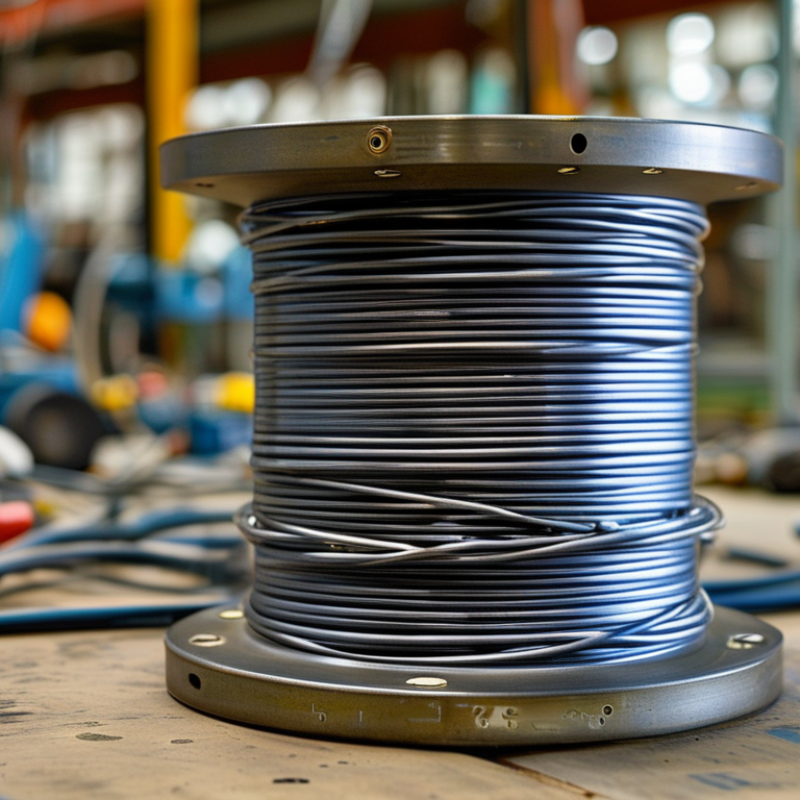
Best Electromagnetic Wire for Efficient Procurement Options?

Best Electromagnetic Wire Types Based on Conductivity and Efficiency

Electromagnetic wires play a crucial role in various applications. When it comes to selecting the most efficient option, conductivity is a key factor. Copper and aluminum are widely recognized for their excellent conductivity properties. Copper offers superior performance in terms of resistance and heat dissipation. It is often the go-to choice for high-performance applications. However, aluminum is lighter and cheaper, making it a viable option for budget-conscious projects.

Different types of electromagnetic wires also have unique characteristics. Stranded wires provide flexibility, suitable for intricate designs. Solid wires, on the other hand, tend to be more durable and stable. Understanding the project requirements can help in making the right choice. One must consider factors like current load, operational temperature, and environmental conditions.

Efficiency goes beyond just material choice. Adequate insulation and proper installation also contribute to performance. Poor insulation can lead to energy loss, negating the benefits of a good conductor. Ongoing testing and adjustments may be necessary throughout the project's duration. Ultimately, making the right choice requires constant evaluation and learning from previous decisions.

Comparative Analysis of Magnetic and Non-Magnetic Wire Materials

When evaluating wire materials, both magnetic and non-magnetic options present unique advantages. Magnetic wires, such as iron-based materials, excel in applications requiring significant electromagnetic interactions. Their ability to efficiently conduct and utilize magnetic fields makes them suitable for transformers and inductors. However, these wires can be heavy and less flexible, which may limit their use in certain designs.


Non-magnetic wires, like copper and aluminum, provide excellent conductivity without distortion from electromagnetic interference. They are often lighter and more versatile, making them ideal for a variety of electrical applications. However, their magnetic characteristics may not be as favorable in situations that require drawing power from magnetic fields. Therefore, engineers should carefully consider the project requirements before selecting a wire material.


It’s essential to weigh both options despite the appeal of each. Sometimes, magnetic wires might cause unwanted interactions with sensitive devices. On the other hand, opting for non-magnetic choices might sacrifice power efficiency in specific applications. Noticeably, each material's limitations must be assessed against the expected outcomes. Balancing efficiency and compatibility is key to ensuring optimal performance in electromagnetic systems.

Cost-Benefit Analysis of Various Electromagnetic Wire Suppliers

When considering the procurement of electromagnetic wire, a cost-benefit analysis is crucial. Industry reports suggest that the price of electromagnetic wire can vary significantly. On average, it ranges from $1.50 to $3.00 per meter, influenced by factors such as material quality and supplier reputation. Quality affects performance. High-quality wire ensures lower energy loss and better efficiency in applications.

Supplier reliability is another factor in the analysis. Research indicates that suppliers with established track records tend to offer better warranties and customer support. Some newer suppliers may present lower prices but could lack these essential services. It's essential to weigh upfront costs against potential long-term savings.

Additionally, considering the overall procurement process is vital. Data shows inefficient procurement can lead to delays and increased costs. A rigorous evaluation of suppliers can uncover hidden costs. Companies often overlook these details, leading to wasted resources. Remember, the cheapest option might not always be the most efficient in the long run.

Best Electromagnetic Wire for Efficient Procurement Options

Supplier Type Wire Type Diameter (mm) Length (m) Price ($/m) Efficiency Rating (1-10)
Domestic Manufacturer Copper 0.5 100 2.50 9
Overseas Supplier Aluminum 0.8 150 1.80 8
Local Distributor Copper 0.6 200 2.20 9
International Manufacturer Copper 0.7 120 2.75 9

Industry Standards and Specifications for Electromagnetic Wire Procurement

When exploring electromagnetic wire procurement, understanding industry standards is crucial. These standards define the quality and functionality of the wire. Different projects may require different specifications. Considerations include material type, gauge, insulation, and temperature ratings. These factors can greatly impact performance.

Certification from recognized organizations enhances reliability. Compliance with international standards, such as ISO and ASTM, ensures a baseline quality. However, not every supplier meets these standards consistently. Inspecting sample products is often necessary to confirm adherence. Each project may encounter unique challenges related to wire efficiency and compatibility.

Supplier transparency is also vital in identifying the right materials. Look for those who provide clear documentation on sourcing, testing, and performance metrics. This helps in building trust. A lack of such information could lead to costly mistakes. Engineers and procurement teams must communicate clearly about their specific needs. Misunderstandings can arise from vague specifications, leading to procurement issues.

Recent Innovations in Electromagnetic Wire Technology and Their Implications

Recent advancements in electromagnetic wire technology have significantly changed the industry. Improvements in materials and manufacturing processes are now making wires more efficient. These developments can lead to better performance in various applications, from motors to transformers. Engineers are particularly excited about reduced energy losses.

One promising innovation is the use of aluminum alloys, which can offer better conductivity without the weight of copper. This shift could revolutionize how we think about wiring. However, some challenges remain. The new materials can be more expensive and may complicate procurement. Industry experts agree that a thorough evaluation of each option is crucial.

Another trend is the integration of smart technology into electromagnetic wires. This allows for real-time monitoring of performance and efficiency. While this may sound appealing, the complexities introduced require careful consideration. Organizations need to weigh the benefits against potential technical hurdles. It's clear that while innovations are promising, they also necessitate a rethink of procurement strategies.

Recent Innovations in Electromagnetic Wire Technology

FAQS

: What is a cost-benefit analysis in electromagnetic wire procurement?

: It evaluates costs versus benefits when choosing suppliers. Factors include price, quality, and supplier reliability.

How much does electromagnetic wire typically cost?

Prices can vary from $1.50 to $3.00 per meter, influenced by quality and supplier reputation.

Why is supplier reliability important?

Reliable suppliers offer better warranties and support. Newer suppliers might have lower prices but fewer services.

What should companies consider during procurement?

Companies should avoid inefficiencies. Delays can increase costs and lead to wasted resources.

Why are industry standards important for electromagnetic wire?

Standards define quality and functionality. Compliance ensures baseline quality and performance for projects.

What role does material type play in wire performance?

Material type, gauge, and insulation can impact wire effectiveness and compatibility in various applications.

How can technology innovations impact procurement?

Advancements in materials can enhance efficiency but may also complicate procurement and increase costs.

What is the significance of real-time monitoring in wires?

Smart technology allows performance tracking. However, it introduces complexities that need careful evaluation.

How can proper communication affect procurement?

Clear communication prevents misunderstandings. Vague specifications can lead to costly procurement mistakes.

What is a common oversight in procurement processes?

Companies often ignore hidden costs during evaluations, which can result in inefficient decisions.

Conclusion

The article titled "Best Electromagnetic Wire for Efficient Procurement Options" explores various aspects of electromagnetic wire, emphasizing types based on conductivity and efficiency. It provides a comparative analysis of magnetic versus non-magnetic wire materials, highlighting how each impacts performance in different applications. Furthermore, the article includes a cost-benefit analysis of various suppliers, helping readers make informed decisions when sourcing electromagnetic wire.

Industry standards and specifications are also discussed to ensure compliance and quality in procurement. Additionally, recent innovations in electromagnetic wire technology are examined, showcasing advancements that enhance efficiency and performance. This comprehensive overview serves as a valuable resource for industry professionals seeking optimal procurement strategies for electromagnetic wire.

Madeline

Madeline

Madeline is a dedicated marketing professional with a wealth of expertise in our company's core offerings. With a keen understanding of the industry, she brings a unique perspective to her role, consistently delivering high-quality content that highlights the superior aspects of our products. As......